Basic Information
| Detail | Information |
|---|---|
| Full name | Celia Ramona Olivera Moyano |
| Commonly known as | Celia Oliveira Cuccittini |
| Name variations | Celia Olivera Cuccittini, Celia Oliveira Cuccittini |
| Born | May 26, 1930 |
| Birthplace | Santa Fe, Argentina |
| Died | May 8, 1998 |
| Age at death | 67 |
| Place of death | Rosario, Santa Fe, Argentina |
| Burial place | Villa Gobernador Gálvez, Rosario |
| Husband | Antonio Cuccittini Caporissi |
| Marriage | January 15, 1959 |
| Daughter | Celia María Cuccittini |
| Famous grandson | Lionel Andrés Messi |
| Known for | Supporting and encouraging Lionel Messi during his earliest football years |
I like to focus on Lionel Messi’s stadiums, trophies, World Cups, records, and amazing goals. Before that, Rosario had a modest football pitch and a grandma who believed in a tiny child with exceptional feet.
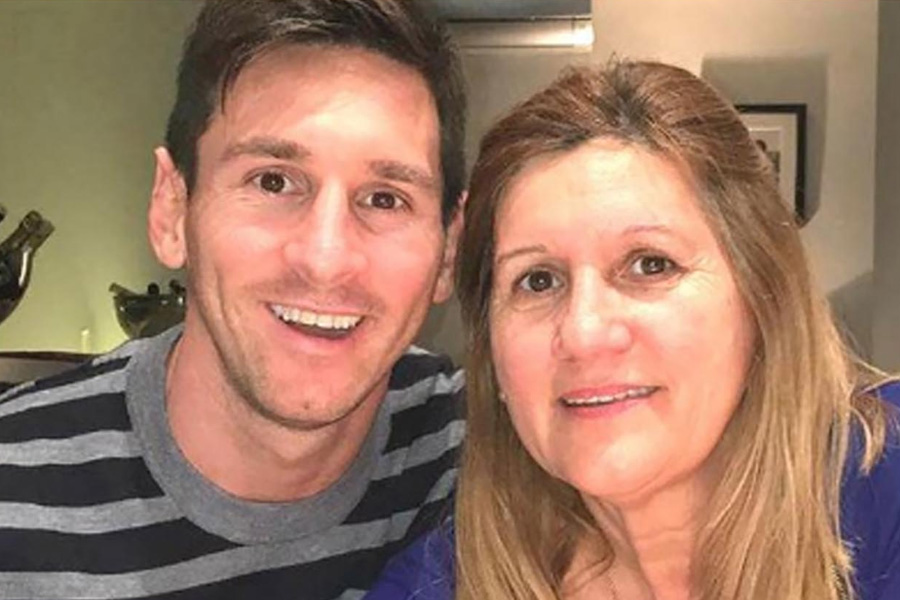
The grandmother was Celia Oliveira Cuccittini.
Celia spent most of her life private. Not a professional athlete, star, coach, or wealthy businesswoman. Her universe revolved on family, house, neighbors, and children. She was crucial to the beginning of one of football’s greatest stories in that little world.
Her bond to Messi is one of his most emotive stories. Before millions saw him play, Celia observed him intently. According to family legends, she saw something exceptional in him and refused to let his youth or size keep him down.
Early Life and Family Background
Celia Ramona Olivera Moyano was born on May 26, 1930, in Santa Fe, Argentina. She grew up during a period when Argentina was experiencing significant social and economic changes, but her own life remained rooted in ordinary family values.
The Oliveira surname has been associated with Spanish and Portuguese linguistic traditions, while the broader Cuccittini family story reflects the European immigrant influences that became deeply woven into Argentine society.
Celia married Antonio Cuccittini Caporissi on January 15, 1959, in Firmat, in the General López area of Santa Fe. Antonio, born around 1929, became her husband and later the maternal grandfather of Lionel Messi.
Their daughter Celia María Cuccittini was born on January 23, 1960. She would eventually marry Jorge Horacio Messi, creating the immediate family into which Lionel Messi was born.
Celia’s family life was modest. There was no indication that she accumulated significant wealth or held a prominent public position. Her importance came from something much less measurable: the time, attention, and affection she gave to her family.
Celia María Cuccittini and the Messi Family
Celia María Cuccittini became the mother of Lionel Messi and his siblings. She worked in a magnet manufacturing workshop and also took cleaning work while helping raise the family.
Her husband, Jorge Messi, worked at Acindar, a steel manufacturer in Rosario. The household was therefore built around ordinary working life rather than privilege.
The family included four children: Lionel, Rodrigo, Matías, and María Sol Messi.
For young Lionel, his grandmother was particularly important. Celia Oliveira Cuccittini was closely involved with the grandchildren and their neighborhood football activities. Football was not initially a glamorous career path. It was simply part of everyday life.
That distinction matters to me because it makes her story feel more genuine. She was not standing beside a future global superstar with the benefit of hindsight. She was simply a grandmother watching a boy play.
The Grandoli Story That Changed Everything
One of the best-known stories about Celia concerns Abanderado Grandoli, a neighborhood football club in Rosario.
The details vary slightly in different retellings, particularly regarding Lionel’s exact age, but the central story remains remarkably consistent.
Lionel was around four or five years old when Celia took him to the club, where older children were playing. A player was missing from a match, creating an opportunity for someone else to fill the position.
The coach, Salvador Aparicio, was hesitant to put such a young and physically small child into the game. Celia apparently would not accept the refusal.
She insisted that Lionel should be allowed to play.
Eventually, the little boy was given his opportunity. He entered the match and reportedly scored twice.
For a child so young, it was a dazzling introduction. His size may have made him look out of place, but his feet told a different story.
I think this moment captures Celia’s role better than almost anything else. She did not teach Lionel every technical detail of football. She did something equally important at that stage: she demanded that someone give him a chance.
The Grandmother Who Saw Beyond His Size
When Lionel Messi was diagnosed with growth hormone insufficiency, his stunted growth became a problem.
Before the world saw Messi’s low center of gravity, acceleration, balance, and incredible control, they saw a tiny youngster.
It appears Celia saw past that.
She supported him, took him to football games, and made it part of his childhood. According to family stories, she helped him buy his first football boots.
Her encouragement went beyond winning a match. It encouraged Lionel to believe his uncommon gifts mattered.
The message was strong: tiny does not mean unable.
Lionel Messi and His Grandmother’s Special Bond
Lionel was born on June 24, 1987, in Rosario. By the time he was old enough to become deeply involved in football, Celia had become a familiar and important presence around his childhood.
Messi has spoken affectionately about his grandmother and the enormous place she occupied in his heart. He has described their relationship with deep emotion and recalled the many hours they spent together.
Celia’s death on May 8, 1998, was devastating for the young Lionel. He was only about 10 years old.
She died in Rosario at the age of 67, never seeing the professional career that her grandson would eventually build.
That is one of the saddest elements of the story. Celia believed in Lionel before there were trophies to prove anything. She did not get to see him become a Barcelona star, win the Ballon d’Or, captain Argentina, or lift the FIFA World Cup.
But Lionel never forgot her.
The Sky Pointing Celebration
One of the most recognizable gestures in football is Messi’s celebration after scoring a goal. He often raises both hands and points his index fingers toward the sky.
The gesture is associated with Celia.
For Messi, it is a quiet tribute to the grandmother who played such an important role in his childhood. In a stadium filled with tens of thousands of spectators, the gesture can last only a few seconds, but its meaning reaches back decades.
I find that symbolism particularly striking. A goal belongs to the present, but the gesture belongs to the past.
Every time Messi points upward, the celebration becomes a bridge between the world’s most famous football arenas and the modest neighborhood environment where his journey began.
Antonio Cuccittini Caporissi
Antonio Cuccittini Caporissi was Celia’s husband and Lionel Messi’s maternal grandfather.
The couple married in 1959 and remained connected to the family for decades. Antonio lived until 2018, almost two decades after Celia’s death.
Unlike Lionel, Antonio spent most of his life outside the spotlight. His later connection to the famous football family came primarily through his daughter and grandchildren.
His longevity meant that he lived long enough to see Messi become an international phenomenon, something Celia never had the opportunity to witness.
Celia María Cuccittini
Celia María Cuccittini, born January 23, 1960, occupies another central position in the Messi family story.
As Lionel’s mother, she helped raise him in Rosario alongside Jorge Messi. Her working life included employment at a magnet manufacturing workshop and part-time cleaning work.
The family’s circumstances were relatively humble, and Lionel’s eventual success did not come from a privileged sporting environment.
Celia María remained a major source of support for her son. The maternal side of the family, including her mother Celia Oliveira Cuccittini, created the close-knit environment that surrounded Lionel during his early years.
Lionel Messi and His Siblings
Lionel Andrés Messi is the most famous member of the family, but his childhood was shared with his siblings Rodrigo, Matías, and María Sol.
The children grew up in Rosario with football deeply embedded in their lives. Neighborhood clubs and informal games provided the backdrop to their childhood.
Celia Oliveira Cuccittini was involved not only with Lionel but with the grandchildren more broadly. She took children to football activities and became part of the rhythm of matches, training sessions, and family gatherings.
Lionel’s cousins were also part of this environment. Football was less a formal career plan than a shared family language.
A Timeline of Celia Oliveira Cuccittini’s Life
| Year | Event |
|---|---|
| 1930 | Celia Ramona Olivera Moyano is born in Santa Fe, Argentina |
| 1959 | Marries Antonio Cuccittini Caporissi in Firmat |
| 1960 | Daughter Celia María Cuccittini is born |
| 1987 | Grandson Lionel Messi is born in Rosario |
| Around 1991 to 1992 | Celia becomes closely involved in Lionel’s early football activities at Grandoli |
| 1998 | Celia dies in Rosario at age 67 |
| 2000s | Messi’s international football career brings growing attention to his childhood story |
| 2010s | His skyward goal celebration continues to honor his grandmother |
| 2018 | Antonio Cuccittini Caporissi dies |
| 2022 | Messi’s tribute to his grandmother remains part of the emotional story surrounding his World Cup triumph |
| 2025 to 2026 | Stories about Celia continue circulating around Messi’s milestones and family legacy |
Her Legacy in Messi’s Story
Celia Oliveira Cuccittini never got famous. Her legacy is her grandson, whom she encouraged.
Her tale is unusual.
History-makers rarely feature in the final photo. They drive kids to practice, buy equipment, encourage, open doors, and urge, “Keep going,” when others see limits.
That world included Celia.
Her influence began when Lionel was a young lad in Rosario. She allegedly urged he play when others doubted his readiness. She supported his football, kept near, and was one of the first to believe in him.
Years later, Messi was considered a football legend.
Celia had already believed it.
FAQ
Who was Celia Oliveira Cuccittini?
Celia Oliveira Cuccittini, also known as Celia Ramona Olivera Moyano, was Lionel Messi’s maternal grandmother and an important figure in his early childhood.
When was Celia Oliveira Cuccittini born?
She was born on May 26, 1930, in Santa Fe, Argentina.
When did Celia Oliveira Cuccittini die?
Celia died on May 8, 1998, in Rosario, Santa Fe, at the age of 67.
Who was Celia Oliveira Cuccittini’s husband?
Her husband was Antonio Cuccittini Caporissi, whom she married on January 15, 1959, in Firmat, Santa Fe.
Who was Celia María Cuccittini?
Celia María Cuccittini was Celia Oliveira Cuccittini’s daughter and the mother of Lionel Messi.
How did Celia influence Lionel Messi’s football career?
She encouraged his early football participation, accompanied him to neighborhood matches and training, and reportedly insisted that he be allowed to play despite his very young age and small stature.
What was Grandoli’s importance to Messi?
Abanderado Grandoli in Rosario was one of the neighborhood clubs where Messi played as a young child and where stories of his exceptional early talent began to emerge.
Why does Messi point to the sky after scoring?
Messi’s skyward gesture is widely understood as a tribute to his grandmother Celia, whose death during his childhood deeply affected him.
Did Celia live to see Messi become famous?
No. She died in 1998 when Messi was about 10 years old, years before he became a professional football superstar.
What kind of life did Celia Oliveira Cuccittini have?
Celia lived a relatively private and modest family life in Argentina. Her most enduring legacy came through her devotion to her family and her early support for Lionel Messi.