Begin with a Habit Loop Children Can Follow
Habits are simple routines that become automatic. For children, keep the loop clear: a cue, a short action, and an encouraging reward. A toothbrush by the sink or a familiar bedtime song can signal the start. The routine might be two minutes of brushing and a quick floss. Praise, a sticker, or a favorite story can close the loop. Predictability can reduce resistance and help the habit stick.
Make each step visible. A picture card at the sink might say Brush, Spit, Smile. Use a sand timer or a two-minute song, then finish with a high five or silly dance. When the ending feels pleasant, children are more likely to begin next time.
Set Up the Bathroom for Success
The environment can guide behavior more effectively than reminders. Put a step stool by the sink so a child can reach the tap. Choose sturdy, wide cups; keep soft towels close; and store each child’s toothbrush upright in a labeled holder. Clear counters make the routine easier to start.
Lighting matters too. Bright, welcoming light helps children see what they are doing. A low mirror can support self-checks, and a laminated routine chart attached to the wall keeps directions in view. Having supplies ready before the child arrives removes a lot of friction.
Match Oral Care to Your Child’s Stage
Choose tools and techniques to suit your child’s development. A rice-grain-sized smear of fluoride toothpaste is appropriate for toddlers; preschool and school-age children use a pea-sized amount. Use small circles, with bristles angled toward the gumline, for two minutes twice daily. If a manual brush is hard to manage, a small-headed electric brush may help, with adult supervision.
Begin flossing when teeth touch. Floss picks can be easier for small hands. Be gentle if gums bleed; that often means the area needs more consistent cleaning. At checkups, ask about fluoride varnish and sealants for older children. These coatings can protect cavity-prone areas that are hard to reach.
Use Play, Stories, and Simple Science
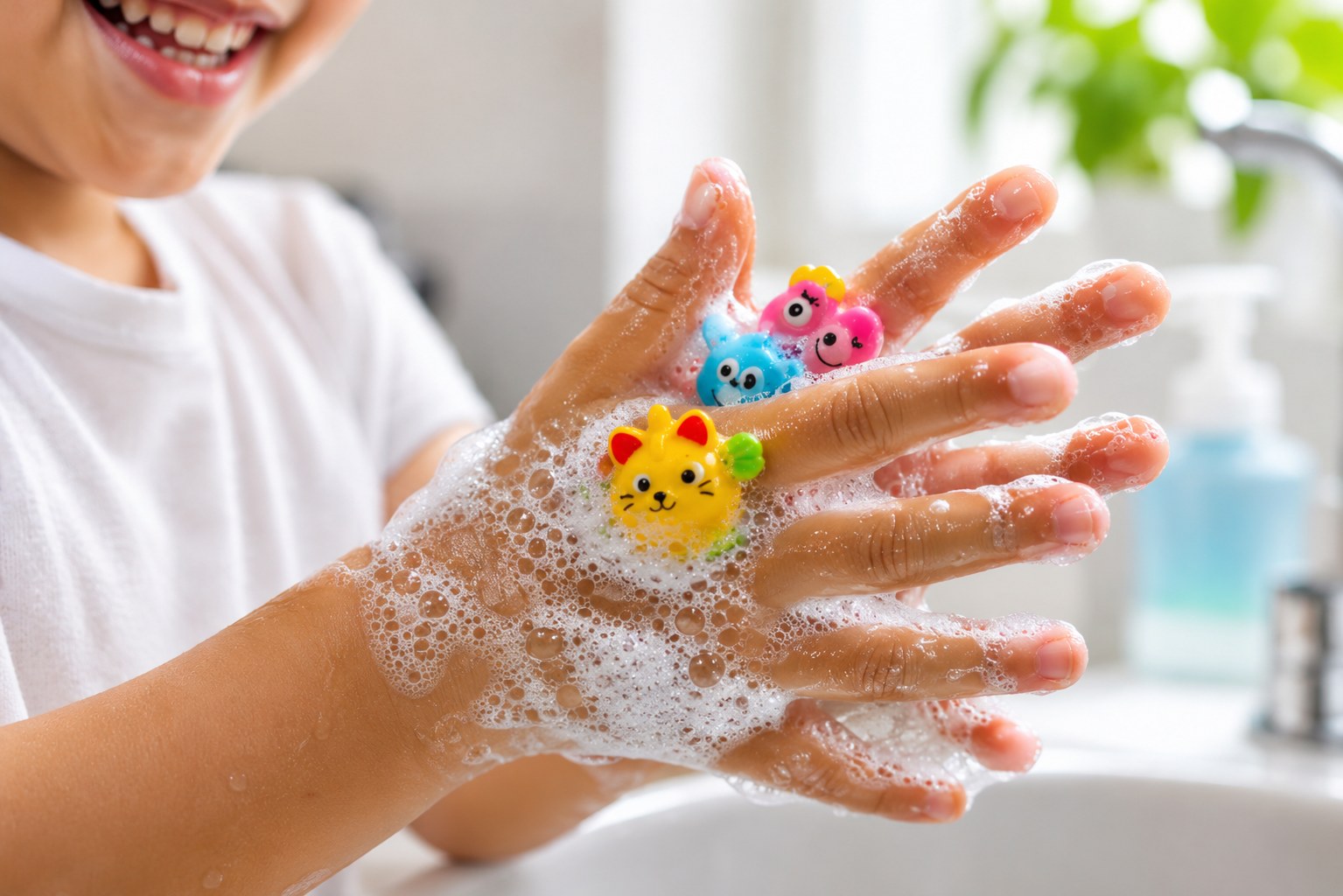
Make the routine playful. Give plaque a name and send the Brush Brigade after it. Plaque-disclosing tablets can reveal spots a brush missed, like a treasure map. Glitter on hands can show how long soap takes to wash away pretend germs. Let a child teach a stuffed bear to brush; explaining a skill helps reinforce it.
Stories add purpose. A quick tale about strong teeth for crunching apples can make brushing feel useful. Keep the tone light: curiosity is more effective than pressure.
Encourage Independence Without Demanding Perfection
Think of training wheels, not a test. At first, guide your child’s hand through the motions. You might brush first and let them finish, or reverse the order. Offer choices that preserve the routine: blue or green toothbrush? Berry or applesauce flavor?
Avoid correcting every stroke. Children are more willing to try when mistakes are not being counted. If a spot is missed, calmly invite them to “give those back teeth a turn” and demonstrate. Confidence grows when children feel capable rather than criticized.
Keep the Routine Going Away from Home
Trips and sleepovers can interrupt a habit if the supplies stay home. Pack a child-sized brush, floss picks, travel toothpaste, and a collapsible cup in a special zip pouch, with a small routine card. If brushing at school is impractical, water after lunch and flossing at night are options. On late evenings, a brief brush and rinse before bed still helps.
Connect Food, Sleep, and Oral Health
Oral health is part of overall health. Frequent snacks, especially sticky foods, feed bacteria. Offer water between meals to rinse acids and support saliva. Serve sweets with meals, when saliva is more plentiful. Crunchy apples or carrots can help clean tooth surfaces, but do not replace brushing.
Notice mouth breathing, which may relate to congestion or allergies. Dryness can raise cavity risk. A bedtime nasal rinse, humidifier, or conversation with the pediatrician may help. Adequate sleep supports immune health and cooperation; a rested child may find sink time less difficult.
Work with a Pediatric Dentist
Regular checkups help connect home care with professional support. A pediatric dentist can offer age-appropriate tools and a calm approach. Schedule visits when your child is alert rather than near nap time. Prepare them with a simple preview: “We’ll count your teeth, you’ll get a ride in the chair, and the dentist will check how strong they are.”
Bring questions about sealants, fluoride, and brushing for your child’s bite. If your child feels nervous, ask about a brief introductory visit. A welcoming first experience can build trust and make future appointments easier.
Respond to Resistance Without a Power Struggle
Pushback happens, so keep a calm and consistent plan. Offer two simple choices: brush before or after pajamas? Timer or two-minute song? A “when-then” phrase can help: “When we finish brushing, you choose tonight’s story.” Avoid using hygiene as a punishment; it should feel safe.
If emotions rise, pause for water and a few slow breaths together. Then reset and try again. Progress takes time, and small successes build on one another.
Adapt for Sensory Needs
Some children experience sounds or textures intensely. Adjust tools to their needs: try extra-soft bristles or a silicone brush, and test mild toothpaste flavors. Warm the water, dim bright lights, or use a footstool or weighted lap pad for grounding. A visual schedule made from real photographs may work better than cartoons.
Build tolerance gradually. Begin by touching the brush to the lips, then tongue, then one tooth, adding steps over several days. Celebrate each attempt. Patient repetition can turn a dreaded task into a manageable and even satisfying moment.
Use Rewards to Recognize Effort
Rewards should celebrate effort rather than perfect technique. Keep sticker charts short and achievable: five stickers might earn a new bedtime book or a weekend breakfast. A clear jar with colorful tokens lets children see progress. They can later choose a non-food treat, such as sidewalk chalk or a trip to the park.
As the habit becomes steady, gradually replace tokens with praise and natural privileges. The goal is for care to become part of the child’s self-image: “I’m someone who looks after my body.”
FAQ
How long should my child brush?
Brush for two minutes twice daily. Divide the mouth into four areas and spend about 30 seconds on each. A song, sand timer, or brush timer can help.
When can a child brush without supervision?
Many children need help or a final check until about age 7 or 8, sometimes longer. Coordination and consistency matter more than age. Check their work and step back as skills improve.
What if my child dislikes mint toothpaste?
Flavor aversion is common. Try a mild fruit or bubblegum flavor. If foam is uncomfortable, look for a low-foaming option and use only the recommended small amount.
Are electric brushes suitable for children?
Yes, with a small head and gentle pressure. Show your child how to move it slowly along the teeth and gums rather than scrubbing, and continue to supervise.
Should we stop if gums bleed during flossing?
Continue gently; bleeding can indicate plaque-related inflammation. It may ease after a week or two of regular care. Contact your dentist if it continues.
Do children need mouthwash?
Usually not when they are young. Focus on brushing and flossing. For older children who can reliably rinse and spit, ask the dentist whether fluoride rinse is appropriate.
How often should toothbrushes be replaced?
Replace them every three months, sooner if bristles are frayed or after an illness. Worn bristles clean less effectively and may irritate gums.
What if my child refuses to brush at bedtime?
Move part of the routine earlier, before the child is tired. Use a predictable cue, a brief timer, and a calm “when-then” statement. Keep the task short and continue trying consistently.
How can I make dental appointments feel positive?
Explain the visit in simple steps, read a dentist story, and bring a comfort item. Choose a good time of day, ask about a tell-show-do approach, and recognize brave efforts afterward.
Use Age-Appropriate Fluoride Toothpaste
Brush twice daily with fluoride toothpaste. For children under age 3, use only a rice-grain-sized smear; for ages 3 to 6, use no more than a pea-sized amount and supervise brushing so toothpaste is spit out rather than swallowed. For children younger than 2, ask a dentist or doctor about fluoride toothpaste. Continue helping or supervising until a child can clean all tooth surfaces reliably. If gum bleeding persists or a child has pain, ask a dental professional for guidance.