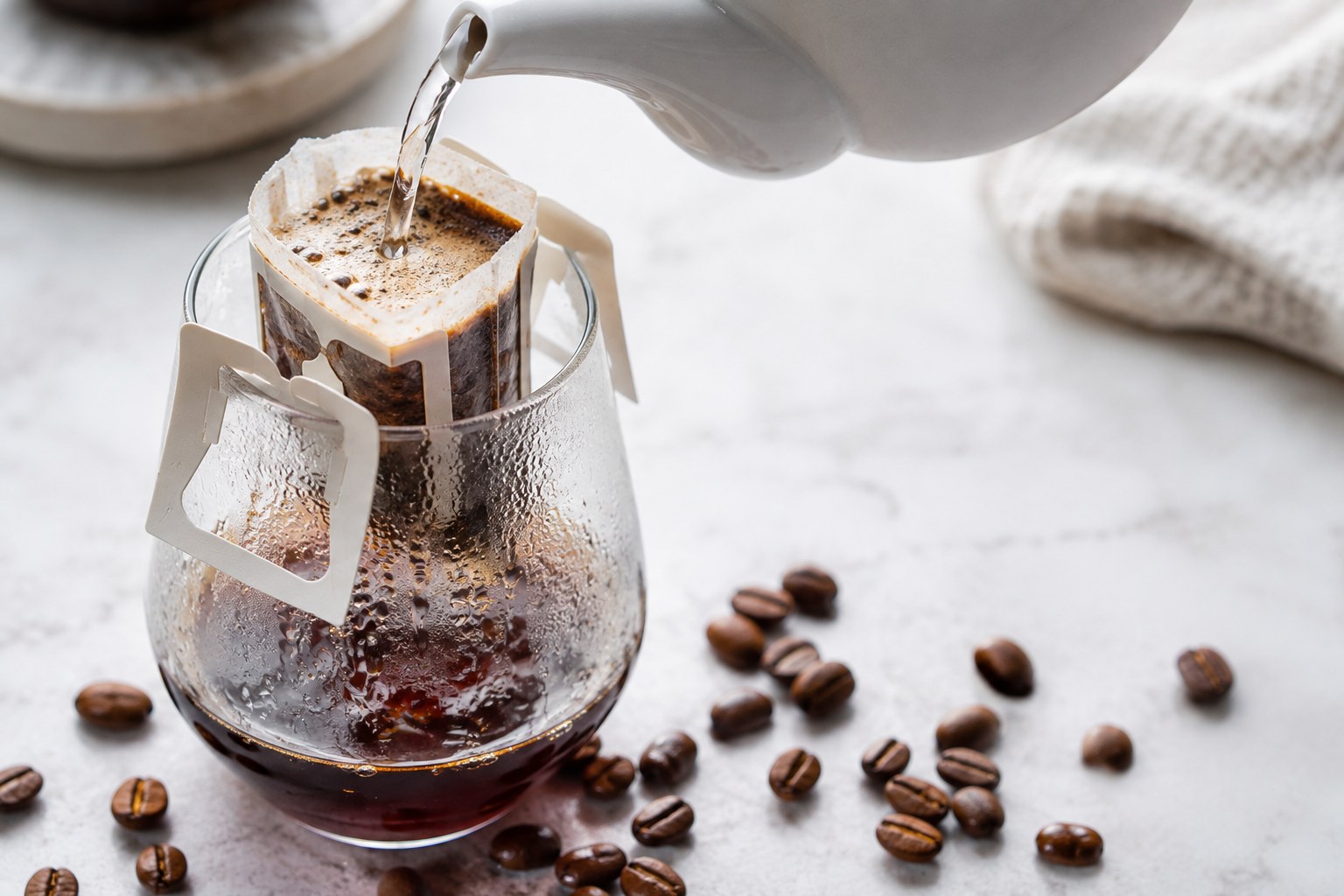
Drip brewing can produce a balanced cup while bringing out a coffee’s individual qualities. The method works by pouring hot water over grounds in a filter and letting gravity draw the brewed coffee through. It can be prepared by hand or in an automatic machine; either way, a few variables shape taste and strength.
Choosing Coffee Beans
Beans have a major influence on the finished cup. Freshly roasted coffee is a useful starting point, while origin, processing and roast level affect flavor. Try different coffees and keep notes about the profiles you enjoy.
Grinding for Even Extraction
A medium grind, roughly the texture of sand, is a common starting point for drip brewing because water can pass through it steadily. Finer grounds may slow the flow and taste bitter; coarser grounds can brew quickly and seem weak. A burr grinder can help produce a consistent grind.
Water Quality and Temperature
Water quality affects extraction and flavor. Use clean water without noticeable chlorine or off odors. A brewing temperature around 90–96°C is a useful range. Excess heat can bring out bitterness, while cooler water may leave coffee sour or flat. Water mineral content and alkalinity also influence flavor, so if changing beans and grind do not solve a persistent taste problem, check the local water report or try a consistent source.
Setting the Coffee-to-Water Ratio
A balanced cup depends on the amount of coffee relative to water. A commonly used range is 1:15 to 1:17 by weight—one gram of coffee for every 15 to 17 grams of water. Adjust for personal taste and use a kitchen scale for repeatable results.
Pouring Technique
For a manual pour-over, even pouring supports consistent extraction. Begin with a small, even pour to bloom the grounds and release gas, allowing about 30 seconds. Then pour slowly in circular motions so all the grounds are saturated over the next few minutes.
Selecting Equipment
Choose a brewer suited to your needs. Manual pour-over brewers differ in shape, flow and filtration. Automatic drip machines offer convenience, especially when preparing several cups. Use filters designed for the brewer and follow its instructions.
Keeping Equipment Clean
Oils and residue can affect flavor and shorten equipment life. Clean filters, carafes and brew components thoroughly, and descale electric machines according to the manufacturer’s directions.
Experimenting with Variables
Fine-tune a brew by adjusting grind, water temperature, pouring pace and brew duration. Change one variable at a time and keep notes so you can repeat results you prefer.
Buying Coffee for a Household or Business
Buying larger quantities may suit households or businesses that use coffee regularly, but consider how quickly it will be consumed and how it will be stored. Purchase an amount that can stay fresh, keep beans sealed away from heat and moisture, and compare the per-unit cost with the risk of waste.
Summary
Drip brewing combines craft with careful control. Matching beans, grind, water and method is central to making a satisfying cup. Small, recorded adjustments make it easier to find a repeatable recipe.
Further Practice
Consistent measurements and a clean brewer make useful starting conditions for practice. With attention to the inputs and continued tasting, coffee enthusiasts can refine a drip recipe for home or service.
