A life that stayed mostly out of the spotlight
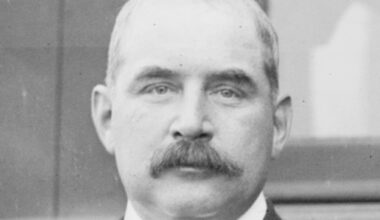
When I look at Robert Slatinsky, I do not see a man built for headlines. I see a working life, a military life, and a family life that held firm like an old oak through changing seasons. He was born on September 3, 1938, in Chicago, and he died on May 30, 2014, in Florida. Those dates frame a life that was largely private, but not small. Sometimes the people who leave the deepest shadow are not the loudest. Sometimes they are the beam under the roof.
Robert’s public identity is tied closely to his family, especially to his daughter Tina Ball and, through her, to the famous Ball basketball family. That connection has made his name appear in later discussions, but his own life had its own shape. He served in the United States Air Force from 1957 to 1960, worked for United Airlines in Chicago, then moved to Pinellas County, Florida, in 1963. After that, he spent more than 35 years as a foreign car mechanic. That is not a story of glamour. It is a story of discipline, skill, and endurance.
Early years and military service
Robert was born in Chicago at a time when the city still felt like a machine made of steel, smoke, and motion. Growing up there in the late 1930s and 1940s would have meant learning resilience early. By the time he reached adulthood, the world was changing fast again, and he entered the Air Force in 1957.
That military chapter lasted until 1960. Three years may sound brief on paper, but service years often leave long fingerprints. They shape how a man stands, how he works, how he handles pressure, how he treats time. I imagine that discipline carried into every later part of his life, from his jobs to his home. Military service is often the first serious architecture in a person’s character. For Robert, it seems to have been exactly that.
After the Air Force, he worked for United Airlines in Chicago. Then, in 1963, he relocated to Florida, where the air is saltier, the pace softer, and the horizon wider. There he built the next stretch of his life around mechanics, boats, wood, and family. His obituary and memorial descriptions paint him as a sailor and a master woodworker as well. That combination tells me he was a hands-on man. A builder. Someone who understood engines, grain, joints, and motion.
Work, craft, and the dignity of a long career
Robert’s biggest professional accomplishment wasn’t a title or business empire. It lasted. Over 35 years as a foreign auto mechanic is impressive. Working that manner requires patience, eyesight, memory, and a desire to solve the same problem a dozen ways. Hands must listen in this craft.
I admire such a career. Men like Robert are easy to overlook since they don’t advertise. They work day after day until it becomes a peaceful monument. He saw automobiles, tools, and the world transform over decades. He held onto the craft. That stability is famous.
I imagine his existence as a lengthy bridge. Air Force, Chicago, and airline work are on one side. The other side is Florida, family, mechanics, and retirement. Labor, regularity, and competence form the bridge.
Family roots and personal relationships
Robert’s family history is where his name continues to echo most strongly. He is the father of Tina Ball, and Tina is the mother of LaMelo Ball, Lonzo Ball, and LiAngelo Ball. That makes Robert the grandfather of three of the most recognized basketball names of their generation.
The family tree around him is easier to name than to fully know, because public life reveals some people clearly and others only in fragments. Still, a few relationships stand out.
Robert was married and later widowed. His obituary identifies Nancy as his wife of 22 years. It also names daughters Brigitte Slatinsky and Monique Cook. It names John as his brother. It names Victoria Cook and Christopher Cook as grandchildren. Another branch of public family discussion mentions Catherine, or Cathy, and sometimes Noni, as Tina’s mother in older family references. Those naming differences show how family histories can blur in public retellings, especially when they pass through different outlets and years.
What matters most is the shape of the family itself. Robert stood near the center of it. He was a father, grandfather, brother, husband, and elder. He appears to have been the kind of man whose role mattered more than his profile. In a family as visible as the Balls, that kind of foundation can easily be missed, but it is essential.
The Ball family connection
Robert is famous for the Ball family. After Tina married LaVar Ball, their sons became basketball stars.
As a guard, 1997-born Lonzo Ball gained national notice. Basketball and public appearances made 1998-born LiAngelo Ball famous. The brightest star of the three was 2001-born LaMelo Ball, an NBA star. Through them, Robert’s family line entered sports, reality, and celebrity culture.
Robert lived so differently from his successors’ renown, which is astounding. His media presence was nonexistent. Attention wasn’t his goal. The family tree he supported became a landmark. Sometimes that happens. After living quietly, the world discovers the branches.
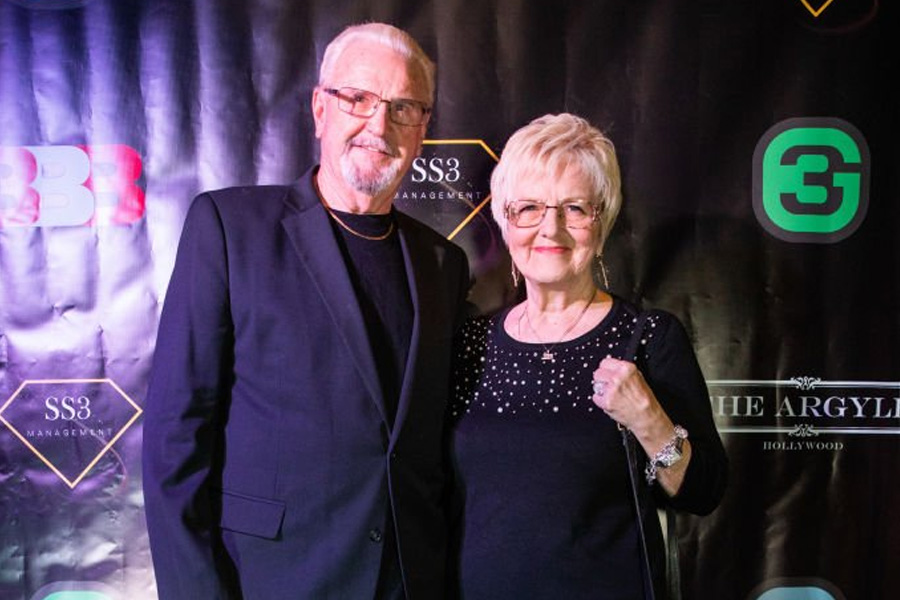
Robert experienced little but telling moments through the family’s public story. In later family news, he and his wife discussed their early views about Tina and LaVar. Such a detail gives it humanity. The family has viewpoints, caution, pride, and adaptability. It reveals a parent with intuition and ideals, not merely a genealogy name.
Final years and remembrance
Robert died on May 30, 2014, at the Bay Pines VA Health Care System hospice unit in Palmetto, Florida. He was laid to rest with military honors at Bay Pines National Cemetery on June 12, 2014. That final detail matters. Military honors are a formal salute, a closing note played for a life that once served.
His death came before the Ball family became even more widely known in media and sports. In that sense, Robert belongs to the roots rather than the branches. The children and grandchildren rose into public view after him, but the root system was already there, deep and patient. I see his legacy as something like a workshop lamp left on after sunset. The room may change, the people may leave, but the light remains in the wood, the tools, and the memory of what was built there.
FAQ
Who was Robert Slatinsky?
Robert Slatinsky was a U.S. Air Force veteran, mechanic, sailor, and master woodworker who lived much of his life between Chicago and Florida. He is also known as Tina Ball’s father and the grandfather of Lonzo Ball, LiAngelo Ball, and LaMelo Ball.
When was Robert Slatinsky born and when did he die?
He was born on September 3, 1938, in Chicago, Illinois, and he died on May 30, 2014, in Florida.
What did Robert Slatinsky do for work?
He served in the U.S. Air Force from 1957 to 1960, worked for United Airlines in Chicago, and later spent more than 35 years as a foreign car mechanic in Florida.
How is Robert Slatinsky connected to the Ball family?
He was Tina Ball’s father, which makes him the grandfather of Lonzo Ball, LiAngelo Ball, and LaMelo Ball.
Did Robert Slatinsky have other family members mentioned publicly?
Yes. Public records and family references identify Nancy as his wife of 22 years, Brigitte Slatinsky and Monique Cook as daughters, John as his brother, and Victoria Cook and Christopher Cook as grandchildren.
Why is Robert Slatinsky remembered today?
He is remembered both for his personal life and for his place in the Ball family. His long career, military service, and family role give him a legacy that is quiet but durable.